NEW ZEALAND BUSINESS NEWS
Empowering Kiwi Businesses

What Is Agentic AI?
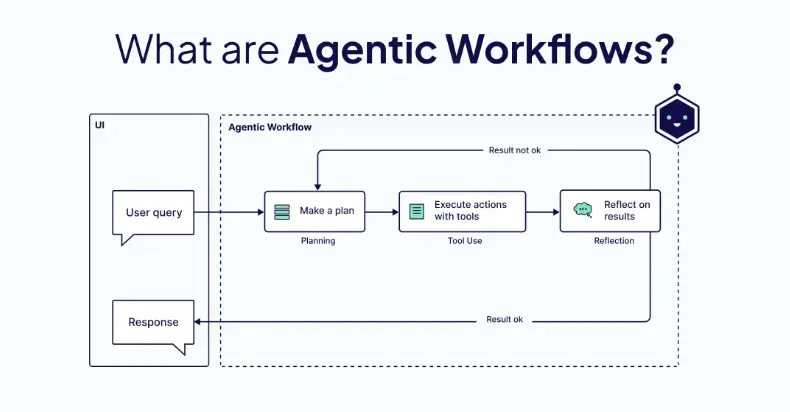
Agentic AI refers to systems that have agency — the capacity to act independently and make decisions without direct human input. Unlike traditional AI models that require instructions and human oversight, agentic AI can interpret goals, plan strategies, and execute tasks dynamically.
Examples include:
This form of AI doesn’t just follow rules; it understands context, adapts to changes, and collaborates across digital environments.
The Rise of Autonomous Systems in the Workplace
As technology has evolved, so too has the role of AI in business. We moved from automation of repetitive tasks (e.g., payroll systems) to smart systems that understand natural language and perform tasks with minimal training. Agentic AI is the next stage of this progression.
Companies across industries — from logistics and finance to marketing and healthcare — are now integrating agentic AI into their core systems. These smart agents can:
In short, they’re not just tools. They’re virtual team members.
How Agentic AI Streamlines Workflows
Agentic AI revolutionises workflows by:
1. Reducing Manual Intervention
Tasks that once required a human touch, such as sending follow-up emails or scheduling meetings, are now handled seamlessly by AI. This reduces delays and human error.
2. Enhancing Decision-Making
With access to real-time data, agentic AI can analyse complex information and provide insights almost instantly. This leads to faster, data-driven decisions.
3. Automating Repetitive Processes
From invoice processing to HR onboarding, agentic AI automates end-to-end processes that would typically drain hours from staff.
4. Boosting Collaboration Across Departments
AI agents can serve as liaisons between departments, relaying relevant data, reminding team members of deadlines, and ensuring nothing falls through the cracks.
Real-World Applications of Agentic AI in Business
Let’s take a closer look at how different sectors are embracing agentic AI:
1. Customer Service
AI-powered chatbots can handle thousands of customer queries simultaneously, learn from past interactions, and escalate issues when necessary. These bots are available 24/7, drastically reducing wait times and improving user satisfaction.
2. Human Resources
AI can screen CVs, schedule interviews, and even recommend candidates based on company culture fit. Post-hire, it helps automate onboarding and training modules.
3. Marketing and Sales
Agentic AI systems analyse customer behaviours, segment audiences, and trigger personalised marketing campaigns. In sales, AI prioritises leads based on conversion likelihood and nudges prospects with automated reminders.
4. Finance and Accounting
These intelligent agents monitor transactions, reconcile bank statements, and generate financial forecasts. They also flag unusual patterns that could indicate fraud or non-compliance.
The Middle Ground: Human + AI Collaboration
Despite the hype, agentic AI isn’t here to replace humans — it’s here to work with them. The best workflows blend human creativity and emotional intelligence with AI’s speed and data-processing power.
Employees can focus on high-level strategy, innovation, and client engagement, while AI takes care of the busywork. This symbiosis enhances job satisfaction and reduces burnout.
An excellent example of seamless human-AI collaboration can be observed in industries like iGaming, where companies increasingly rely on intelligent systems to improve user experiences and streamline operations. For instance, platforms such as New Zealand Casinos leverage agentic AI to personalise content, monitor transactions for security, and provide instant support through smart chatbots.
Challenges and Ethical Considerations
With great power comes great responsibility. Implementing agentic AI is not without its hurdles:
1. Data Privacy and Security
AI systems rely on vast datasets. Without proper encryption and governance, sensitive data can be compromised.
2. Bias and Fairness
If trained on biased data, AI may perpetuate inequality or unfair treatment in hiring, lending, or customer service decisions.
3. Overreliance on Automation
Over-dependence on AI can erode human skills and create systemic vulnerabilities if the AI fails.
4. Regulatory Compliance
Governments are catching up with legislation to control AI use. Companies must ensure their tools meet local and international standards.
Preparing for the Future of Work
To fully leverage agentic AI, businesses must:
Agentic AI represents a new era of business operations — one where machines don’t just support us but actively contribute to outcomes. When used wisely, this technology has the power to:
By embracing agentic AI today, businesses set themselves up for a more adaptive and competitive tomorrow.
It’s not just the future of work. It’s the present. And it’s happening now.

The NZ Business News website is a premier platform that empowers New Zealand businesses by providing the latest news, insights, and success stories from various industries. Our mission is to inspire and support Kiwi entrepreneurs by offering valuable resources and information to help them navigate the complexities of starting and growing a business.
We also facilitate connections with potential partners, investors, and collaborators, contributing to the overall growth and success of New Zealand’s business community. Stay informed and inspired with NZ Business News, your go-to source for everything business in New Zealand.
To promote your business with NZBusinessNews.nz contact us now.

Lukey says:
I’m curious how this plays out for design studios like mine—we’re already using AI to generate site analyses and planting schedules, but there’s a real tension between letting the system optimise workflows and maintaining that human judgment call on what actually works in a given landscape. The efficiency gains are genuine, but I’ve found you still need someone with boots on the ground who understands how a space actually behaves through the seasons, not just what the algorithm recommends.
HannahP says:
The bit about AI handling repetitive workflows is practical, but I’d want to know more about the human oversight side—especially if these systems are making decisions that affect customer data or timelines. With a young family, I’m realising how much I care about understanding what’s actually happening behind the scenes rather than just trusting automation to work seamlessly.
Amy Zhang says:
The bit about agentic AI handling repetitive decision-making is where it gets real – we’re already seeing brands struggle with knowing when to let the system run vs when humans need to jump in. How are you thinking about that handoff point, especially when brand voice consistency is on the line?
Sophie Martin says:
I’d actually disagree that agentic AI reduces the need for human oversight in complex workflows—in event coordination, I’ve seen it create more touchpoints that need managing rather than fewer. The systems are brilliant at handling repetitive tasks, but they still need someone with real judgment calls to catch the nuances that make or break an event, especially when clients change their minds mid-planning.
Nathan Cooper says:
Been wondering how this actually plays out when things go wrong—like, if an AI workflow makes a bad decision, who’s accountable and how do you even audit what happened? Seems like there’s a gap between the efficiency gains and the governance side that doesn’t get talked about much.